Understanding Infective Endocarditis in Türkiye: Epidemiological, Clinical, and Microbiological Insights
Introduction to Infective Endocarditis
Infective Endocarditis (IE) is a serious and complex disease that affects the heart’s inner lining. Its burden is significant and continuously evolving, making it crucial for healthcare providers to understand its epidemiology, clinical manifestations, and microbiological profiles. In Türkiye, where the prevalence may vary, understanding these aspects is essential for effective management and improved patient outcomes.
Overview of the Study
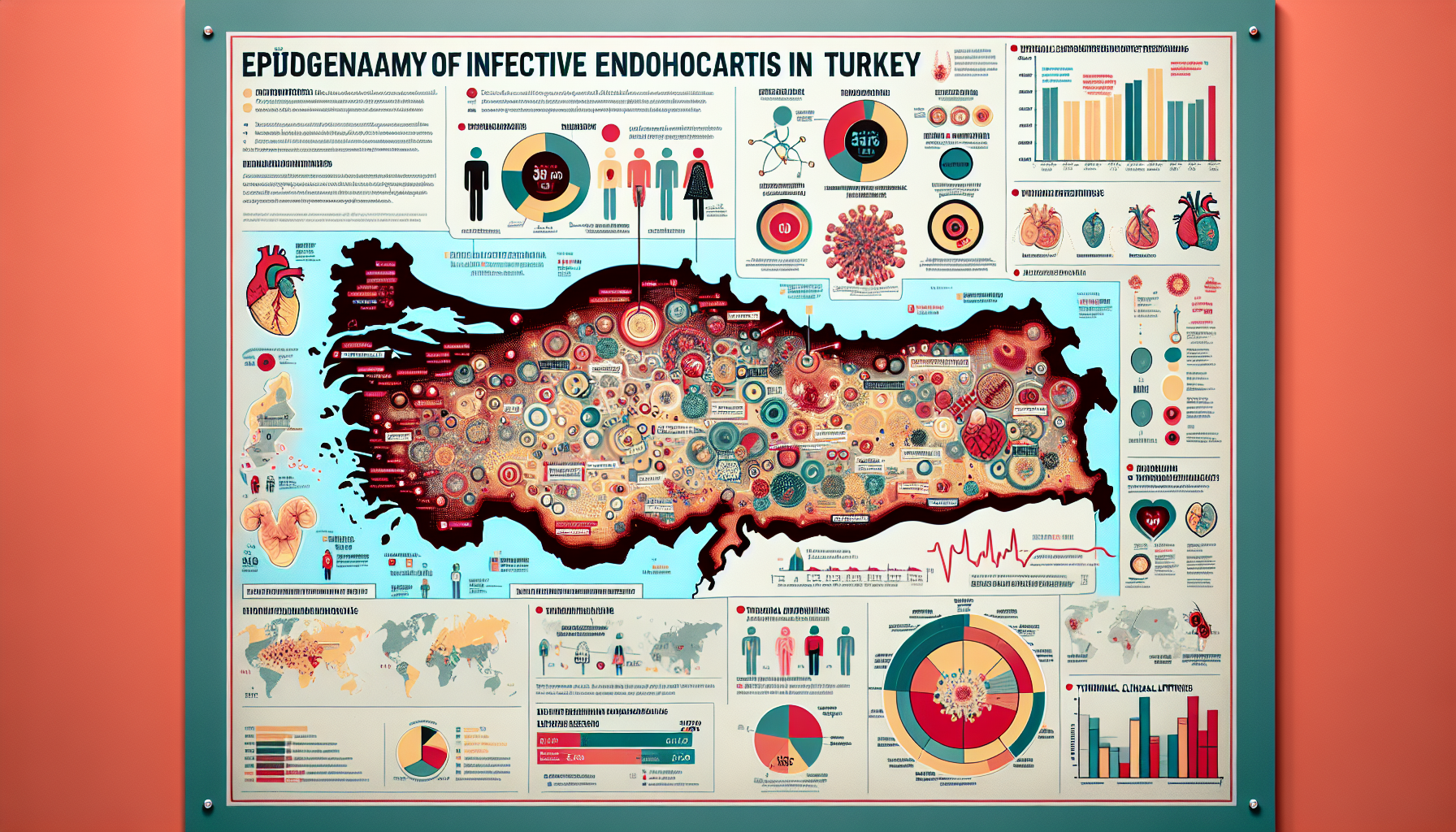
A comprehensive retrospective cohort study was undertaken to analyze the epidemiological, clinical, and microbiological aspects of infective endocarditis in Türkiye, covering data from 2013 to 2023. This study aimed at identifying trends, patient demographics, common pathogens involved, and mortality rates associated with infective endocarditis.
Key Findings
Patient Demographics and Trends
The study encompassed a total of 1,044 patients, reflecting the changing nature of this condition. Notably, the median age of patients increased significantly, from 54 to 60 years over the study’s time frames. This suggests an aging population may be more susceptible to infective endocarditis. The comorbidities identified in patients predominantly included hypertension, diabetes mellitus, and chronic kidney disease, emphasizing the growing significance of these risk factors for IE.
Microbiological Profiles
The microbiological investigation revealed that Staphylococci were the most frequently identified pathogens in infective endocarditis cases, accounting for 36.4% of infections. Among these, Staphylococcus aureus emerged as a predominating pathogen, especially in various types of infective endocarditis. Furthermore, there has been a rising prevalence of Candida spp. infections, highlighting concerns regarding the management of evolving infective agents and the need for updated treatment protocols.
Clinical Outcomes
The in-hospital mortality rate for these patients remained notably high at 22.5%. Key independent risk factors for increased mortality included older patient age, nosocomial acquisition of infections, and larger vegetation size observed through echocardiography. Additional complications reported during the study included pulmonary embolism and spondylodiscitis, underscoring the urgent need for prompt diagnosis and effective management strategies.
Implications for Clinical Practice
In light of the dynamic landscape of infective endocarditis in Türkiye, healthcare providers must adjust their management approaches. It’s crucial to merge traditional treatment modalities with insightful epidemiological data. Enhanced awareness of changing patient demographics, emerging pathogens like Staphylococcus aureus, and the clinical risks linked to chronic comorbidities is essential to develop evidence-based patient care protocols.
Conclusion
In summary, this extensive study highlights the ever-evolving nature of infective endocarditis in Türkiye. It accentuates the necessity for continuous research and updated clinical guidelines targeting this condition. Effective management strategies should incorporate recent findings regarding epidemiological shifts, in order to enhance patient outcomes and reduce mortality rates associated with this serious health issue.